Backflow Prevention: Why It Matters & How It Works
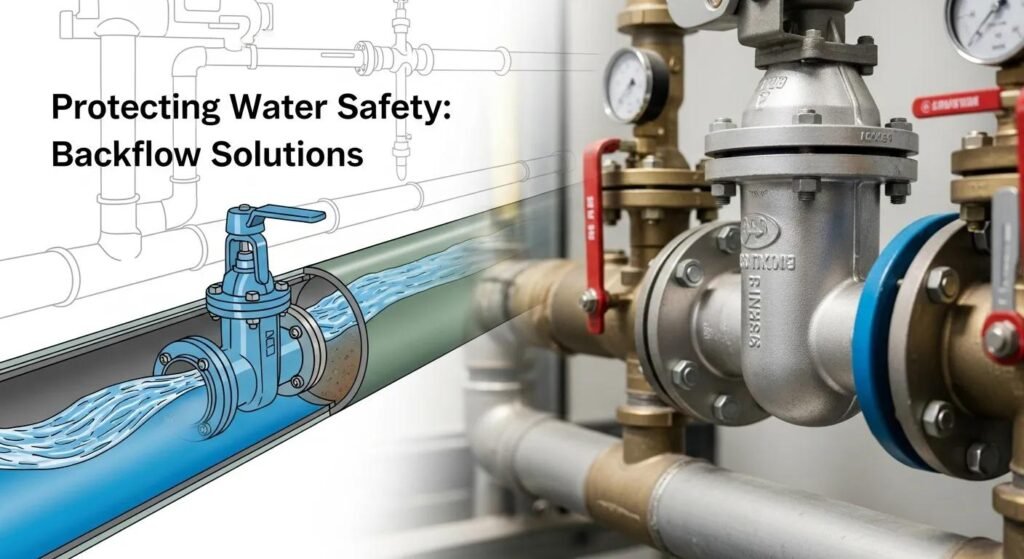
Protecting Water Safety: Practical Backflow Solutions
Backflow prevention is a core part of keeping our taps and facilities safe—whether at home or on a job site. It covers the methods and devices that stop contaminated water from flowing backward into clean supplies. Knowing how backflow happens, the risks it creates, and the systems that stop it is essential to protect public health. Below, we explain how backflow works, outline common prevention devices, and highlight why regular testing, maintenance, and compliance matter.
What Is Backflow Prevention and Why Is It Essential for Water Contamination Prevention?
Backflow prevention keeps water moving in one safe direction so contaminants can’t enter a clean system. That protection matters because backflow events can quickly contaminate drinking supplies. Causes range across plumbing and HVAC systems, so recognizing those failure points is the first step to practical prevention.
How Does Backflow Occur in Plumbing and HVAC Systems?
Backflow happens for a few common reasons: sudden drops in water pressure, improper cross-connections, or equipment failures. In plumbing, a pressure loss can let contaminated water siphon back into the potable line. HVAC components—like poorly maintained cooling towers or misrouted condensate lines—can also create pathways for non-potable water to mix with the clean supply.
What Are the Risks of Backflow to Public and Commercial Water Supplies?
The stakes are high. Backflow can introduce bacteria, chemicals, and other pollutants into the drinking water supply, creating real public-health hazards and service disruptions. Beyond health impacts, incidents can trigger expensive cleanups, equipment downtime, and regulatory penalties—so prevention is both a safety and financial priority.
Which Types of Backflow Prevention Devices Are Used and How Do They Work?
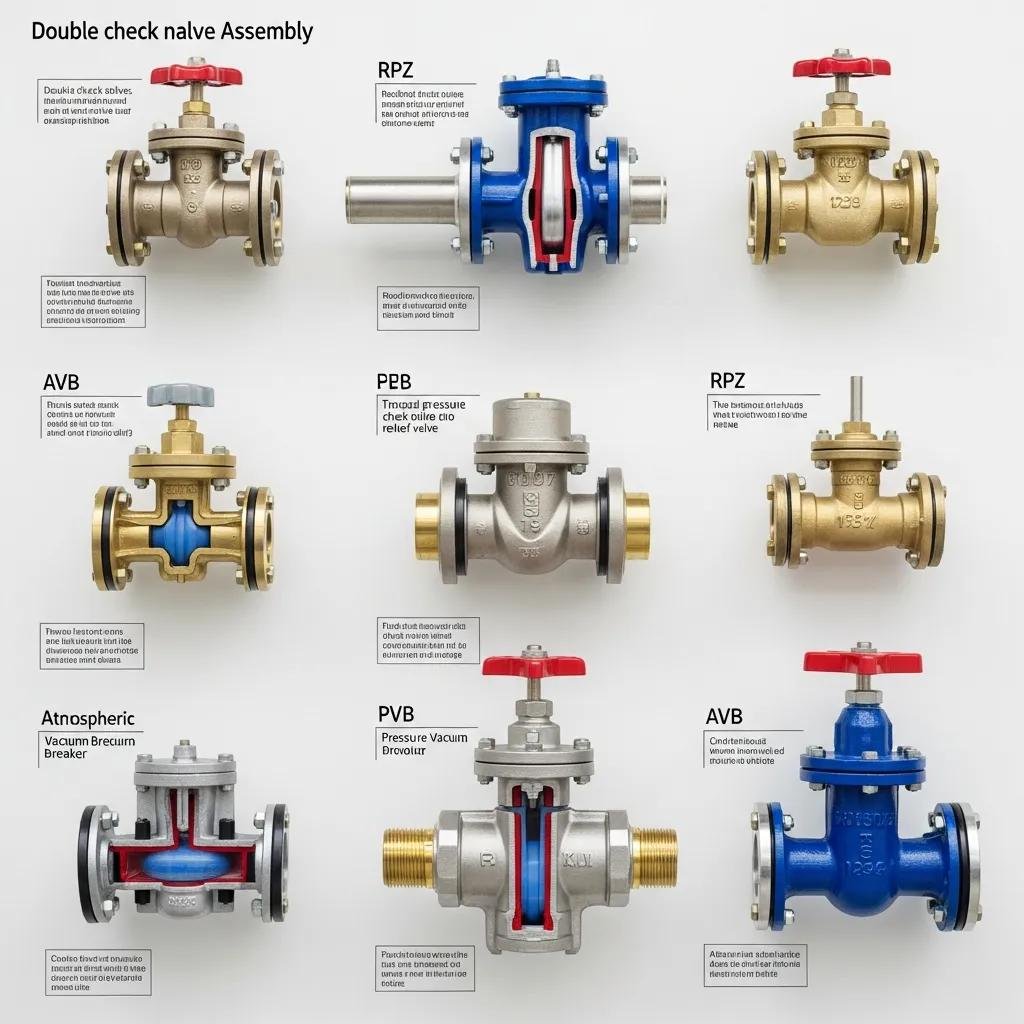

A range of backflow prevention devices are available to protect water systems. Each is designed to let water flow forward while blocking any reverse movement that could carry contaminants back into the supply.
What Are the Functions of Check Valves and Reduced Pressure Zone Devices?
Check valves prevent backflow by closing automatically when flow reverses—simple and effective for many plumbing runs. Reduced pressure zone (RPZ) assemblies add another layer: they maintain a controlled pressure differential so contaminated water can’t pass back even when pressure conditions fluctuate. Both play important roles depending on the hazard level and installation.
How Do Backflow Valves and Cross-Connection Control Devices Differ?
Backflow valves protect specific points by stopping reverse flow at that location. Cross-connection control devices, by contrast, manage possible contamination sources across an entire system—think of them as a programmatic approach to preventing unsafe connections rather than a single-point fix. Choosing the right device depends on the site risk and system layout.
How Is Backflow Testing Conducted and What Certification Processes Ensure Compliance?
Regular testing keeps backflow prevention devices reliable. Tests follow established steps to confirm the units work as intended and to catch parts that need repair or replacement before a failure occurs.
What Are the Steps Involved in Backflow Device Testing and Maintenance?

Testing typically begins with a visual inspection, moves on to leak checks, and finishes with functional tests to verify valves and relief ports operate correctly. Maintenance can include cleaning, replacing worn parts, or full assembly replacement when needed. Consistent testing schedules not only meet local rules but also keep systems protecting public health.
Industry associations publish detailed procedures so tests are thorough and repeatable—use those references to align local practices with recognized standards.
Reference — Backflow Prevention Device Testing Procedures
ABSTRACT: Holeva, James. Journal of the New England Water Works Association; Boston Vol. 130, Iss. 1, (Mar 2016): 1-10.
Testing Backflow Prevention Device Assemblies—A Review of Revised NEWWA Test Procedures (What are the Changes and Why Were They Made?), 2016
Which Regulatory Bodies Issue Backflow Prevention Certifications?
Certification and oversight usually come from local health departments, municipal water authorities, and plumbing code agencies. These bodies set testing intervals, accepted procedures, and record-keeping requirements—ensuring devices meet safety expectations and protecting the broader water system.
What Are the Backflow Risks Specific to Plumbing and HVAC Systems?
Plumbing and HVAC systems each introduce different backflow vulnerabilities, which is why prevention plans are tailored to the equipment and use-case.
How Do HVAC Systems Contribute to Backflow Hazards?
HVAC components can pose risks when installed or maintained poorly. For example, an unmaintained cooling tower or an open condensate drain can create a route for non-potable water to re-enter the potable line. Regular inspections, proper isolation, and correct drainage design reduce those hazards.
Why Is Electrical System Backflow Prevention Not Typically a Concern?
The term backflow applies to water systems—so electrical systems aren’t part of this risk profile. Electrical safety has its own protocols, but it doesn’t require the water-specific backflow prevention measures discussed here.
How Do Regulatory Compliance and Local Water Safety Standards Impact Backflow Prevention?

Compliance is a cornerstone of effective backflow prevention. Local water safety rules define inspection cycles, testing methods, and device performance expectations—so staying current with those standards is essential.
What Are the Latest Water Safety Regulations Affecting Backflow Devices?
Recent regulatory updates reinforce regular testing and documented maintenance for backflow devices. These changes aim to close gaps that can let contaminants into the distribution system and to strengthen protections for public health.
How Do EPA Guidelines and American Water Works Association Standards Guide Compliance?
The EPA and the American Water Works Association (AWWA) offer guidelines and best practices that inform local codes and operator procedures. Following those resources helps designers and operators build resilient systems and meet compliance expectations.
What Are the Best Practices for Maintenance and Repair of Backflow Prevention Devices?
Consistent maintenance and prompt repairs keep backflow prevention devices functioning and compliant with local requirements.
Which Maintenance Schedules and Procedures Ensure Device Effectiveness?
Adopt a regular inspection and testing calendar based on device type and local rules. Routine checks, timely component replacement, and clear service records are the basics that preserve device function and system safety.
How Can Timely Repairs Prevent Water Contamination and Regulatory Violations?
Fixing issues as soon as they appear prevents contamination and avoids penalties. Proactive maintenance—rather than emergency fixes—protects public health, reduces downtime, and keeps your operation in good standing with regulators.
About Us
Chicagoland Plumbers Today offer fast, reliable home services for plumbing installation or repair, HVAC and professional electrical services.
With extensive experience in handling common and complex issues or emergency service, our team saves you time and money, ensuring your home services are conducted with the utmost professionalism and efficiency.
DISCLAIMER This site is designed to assist homeowners in connecting with local home service contractors. All home service contractors are independent and this site does not warrant or guarantee any work performed. It is the responsibility of the homeowner to verify that the hired home service contractor furnishes the necessary license and insurance required for the work being performed. All persons depicted in a photo or video may be actors or models and not contractors listed on this site.