
Plumbing Estimate Template: What to Expect
Your Plumbing Estimate Guide — What to expect and how to compare
Knowing how a plumbing estimate works helps homeowners and property managers avoid surprises. A plumbing estimate template lays out the anticipated costs for labor, parts, and any extra fees so you can plan and choose the right contractor. This article breaks down the essential parts of a plumbing estimate template, compares plumbing quotes with HVAC and electrical estimates, and shows practical ways to read and compare them. Many people feel overwhelmed by repair quotes — with a few clear steps, you can evaluate options confidently. We’ll also cover the main pricing drivers, how scheduling affects cost, and what transparent pricing looks like.
What Are the Key Components of a Plumbing Estimate Template?
A plumbing estimate template usually lists several elements that together show the scope and expected cost of the job. Understanding these pieces makes it easier to judge whether an offer is complete and fair.
- Contact Information: The plumber’s or company’s name, business address and phone or email — and often license or registration details — so you know who to reach and can verify credentials.
- Job Description: A clear description of the work to be done, including specific tasks, locations (e.g., kitchen sink, basement stack), and any conditions that affect the job.
- Total Estimate: The projected final cost, typically itemizing labor, materials, and any additional fees so you can see how the total was calculated.
How Is Labor Cost Detailed in Plumbing Estimates?
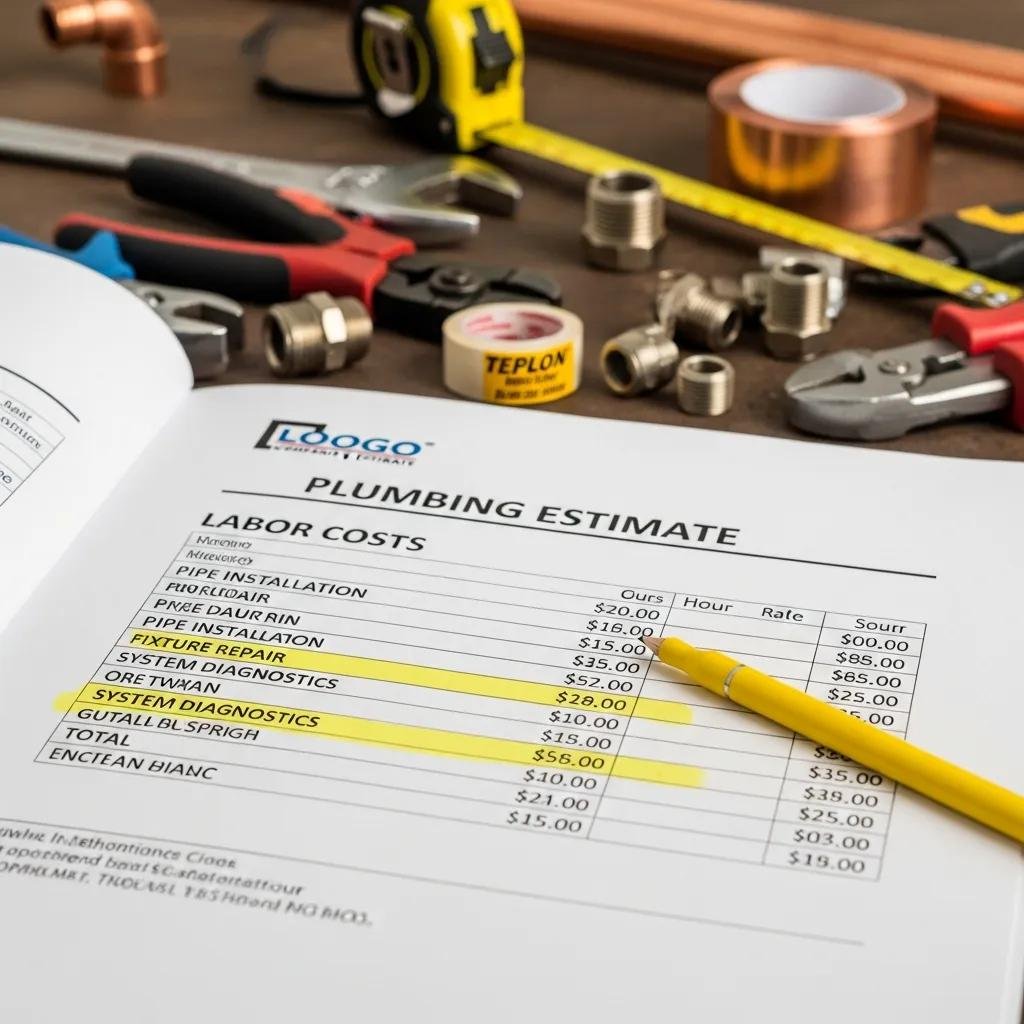
Labor is usually shown either as an hourly rate or a flat fee for the task. Hourly rates vary with experience, region, and job complexity — commonly about $70 to $150 per hour for skilled plumbers. Flat fees are common for routine jobs (for example, installing a sink or fixing a simple leak). Seeing labor broken out helps you understand how much of the bill is time versus parts.
What Parts and Materials Are Included in the Estimate?
Estimates typically list the parts and materials needed: pipes, fittings, valves, faucets, and other fixtures. Each item usually has a unit price so you can compare material cost to labor. For example, a standard faucet can range from $50 to $200 depending on brand and finish, and additional supplies might add $50–$150 to the total estimate. That line‑item breakdown makes it easier to judge whether material choices and prices are reasonable.
How Do HVAC and Electrical Repair Estimates Compare?

Plumbing, HVAC, and electrical estimates follow the same basic template — labor, materials, permits — but they differ in components, complexity, and pricing drivers based on the trade.
- Differences in Pricing: HVAC work often involves larger systems and heavier equipment, which can push labor and parts costs higher. HVAC technicians commonly charge in the $75 to $150 per hour range, though rates vary by market and job complexity.
- Common Components: Plumbing estimates focus on pipes and fixtures; HVAC estimates list compressors, coils, and ductwork; electrical estimates detail wiring, breakers, panels, and required permits.
What Pricing Factors Affect HVAC Service Estimates?
HVAC pricing depends on job complexity, the system type, and the company’s reputation. Established providers may charge a premium for warranty support and proven results. Emergency or off‑hour calls usually cost more because they require immediate response.
How Are Electrical Repair Estimates Structured?
Electrical estimates follow a similar structure but center on wiring, breakers, panels, switches, and safety compliance. They’ll list labor, parts, and any permit costs. A simple electrical repair might fall between $150 and $500, depending on materials and how involved the work is.
How Can You Read and Compare Home Repair Estimate Templates Effectively?

Reading and comparing estimates effectively requires attention to detail and a consistent checklist so you’re comparing apples to apples.
A systematic cost‑estimation approach stresses transparency and solid data collection as the foundation for accurate pricing.
Residential Service Cost Estimation Methodology
Costing should be transparent about results and methods, comprehensive in data collection, and clear about the services and resident profiles involved. Key steps include defining the main costing question; choosing the study perspective and time horizon for data collection; identifying cost components for each service; estimating unit costs; and then carrying out the cost analysis.
Estimating costs of residential services, D Razzouk, 2017
- Specificity of the Estimate: Make sure each estimate itemizes labor, materials, and any extra charges. Vague or lump‑sum descriptions can hide future surprises.
- Cost Comparison: Get multiple estimates and compare labor rates, material descriptions, and permit or disposal fees to confirm you’re getting a fair offer.
What Should You Look for When Reviewing an Estimate?
When you review an estimate, pay attention to a few key signals:
- Quality of Materials: Check that the estimate names the materials or specifies quality levels — cheaper parts can save money today but cost more over time.
- Customer Satisfaction: Look up reviews, references, and testimonials to see how reliably the provider completes work and stands behind it.
How to Identify Transparent Pricing and Avoid Hidden Fees?
Ask for an upfront, written estimate that clearly breaks out labor, parts, taxes, permits, and any service charges. If anything is unclear, ask the contractor to spell it out. Clear line items and polite willingness to explain are strong signs of transparent pricing and reduce the chance of unexpected add‑ons.
What Pricing Factors Influence Plumbing and Related Service Estimates?
Several variables affect pricing for plumbing and related trades, including hourly rates, parts costs, and any extra fees or permits.
- Reputation and Experience: Established companies with good reputations often charge more because they deliver consistent quality and support.
- Complexity of the Job: Jobs that require extensive pipework, access challenges, or system modifications will typically cost more because they demand extra time and materials.
How Do Labor Rates and Parts Costs Vary by Service Type?
Labor and parts costs depend on the service. Emergency plumbing calls often carry higher labor charges. Parts prices fluctuate with availability and brand; premium materials push the estimate higher but may extend longevity.
What Role Do Taxes and Additional Fees Play in Final Estimates?
Taxes, permits, disposal fees, and service surcharges can add materially to the final bill. Always confirm which of these are included in the initial estimate so you can budget for the total cost.
How Do You Schedule Service Appointments After Receiving an Estimate?

Scheduling is simple once you’ve chosen a provider — but clear communication makes the process smoother.
- Contact Methods: Most companies let you book by phone, online, or email — pick the method that’s easiest for you.
- Appointment Scheduling Process: Confirm the date and time, ask about any prep required (clearing access, turning off water or power), and get the appointment details in writing.
What Is the Process for Booking Plumbing, HVAC, or Electrical Services?
- Initial Contact: Reach out to discuss the issue and request a written estimate.
- Review the Estimate: Read the estimate carefully and ask questions about anything you don’t understand.
- Confirm the Appointment: Once you’re satisfied, confirm the date and time and request any final prep instructions.
How Does Transparent Pricing Facilitate Appointment Scheduling?
Transparent pricing makes scheduling easier because you can plan your budget and decide which services to authorize before the crew arrives. Clear estimates build trust, speed up approvals, and reduce last‑minute changes — which leads to a better overall experience for you and the service provider.
About Us
Chicagoland Plumbers Today offer fast, reliable home services for plumbing installation or repair, HVAC and professional electrical services.
With extensive experience in handling common and complex issues or emergency service, our team saves you time and money, ensuring your home services are conducted with the utmost professionalism and efficiency.
DISCLAIMER This site is designed to assist homeowners in connecting with local home service contractors. All home service contractors are independent and this site does not warrant or guarantee any work performed. It is the responsibility of the homeowner to verify that the hired home service contractor furnishes the necessary license and insurance required for the work being performed. All persons depicted in a photo or video may be actors or models and not contractors listed on this site.